

 TR
 EN
 ZH
 Blog
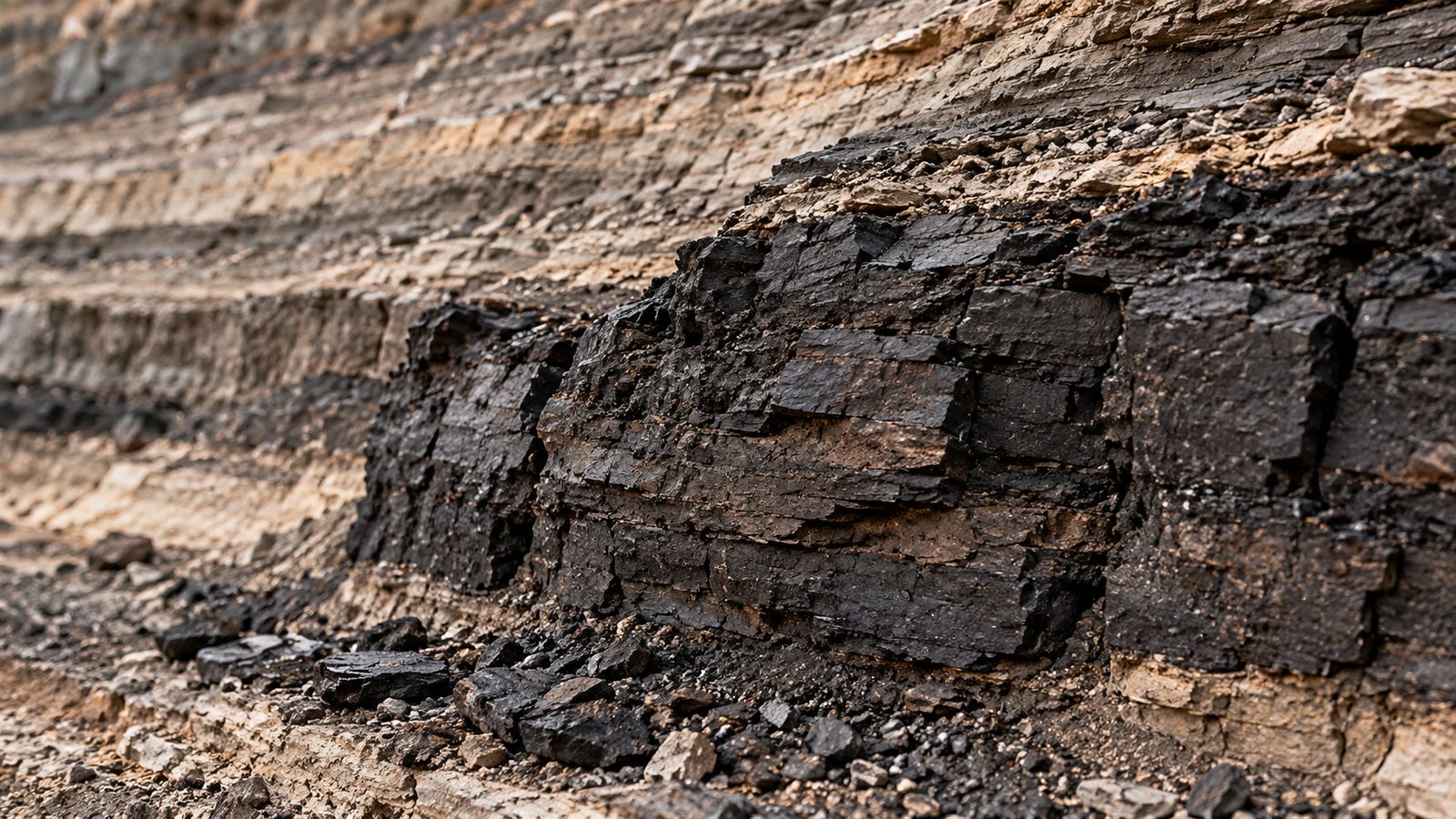
What is lignite and how is it formed?
The story of lignite, formed millions of years ago as plant remains were compressed underground, and its place in the Ermenek basin.
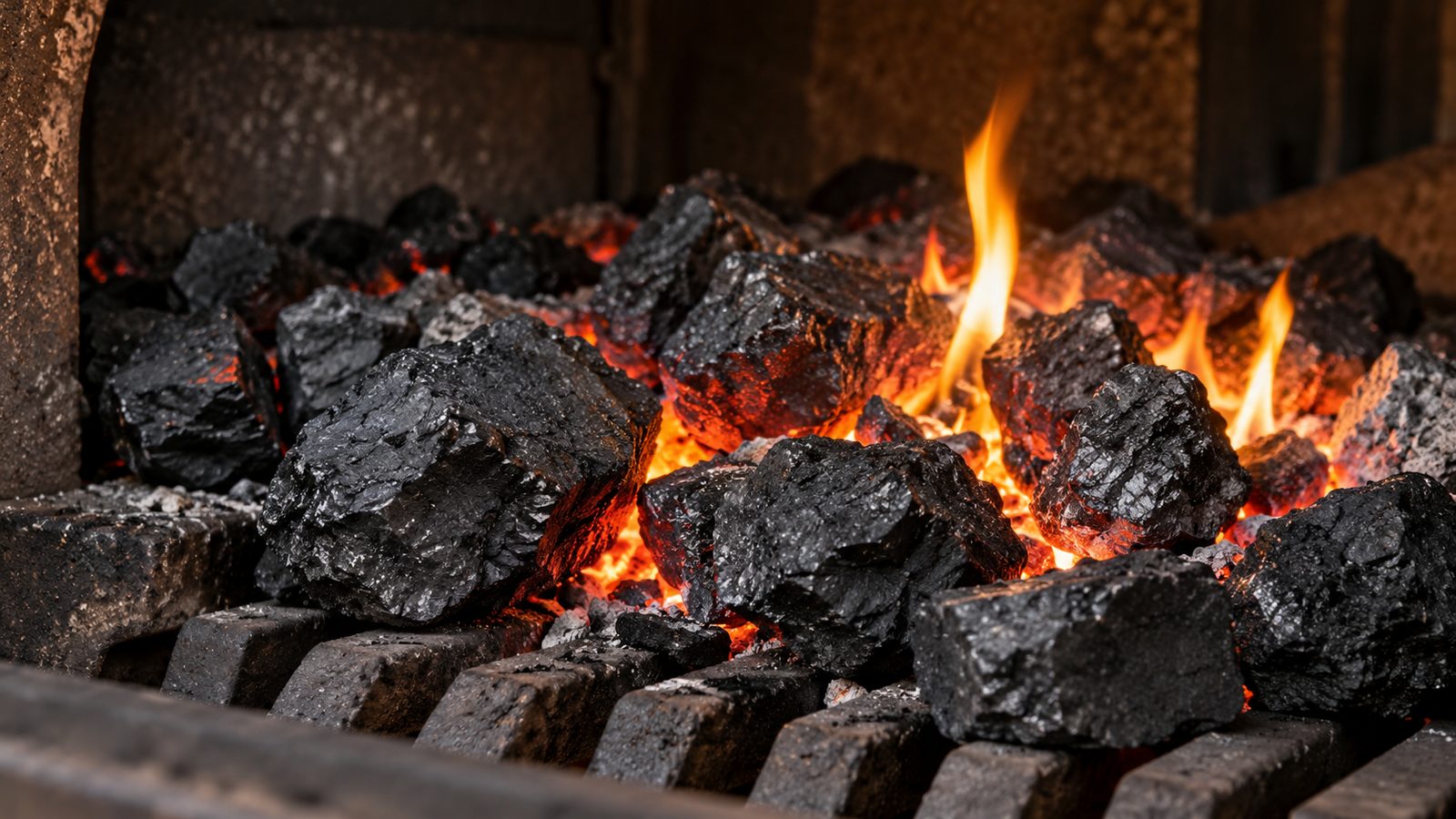
One of the most common terms you hear when buying coal is "calorific value". It describes how much heat a fuel gives off when burned and is one of the most important criteria for assessing coal quality.
Calorific value is measured in a laboratory by burning a set amount of coal under controlled conditions, and is usually expressed in kilocalories per kilogram (kcal/kg). The higher the value, the more heat you get from the same amount of coal.
Calorific value alone does not tell the whole story, but considered together with the coal's moisture, ash and size, it helps you choose the fuel that suits your needs. Proper storage matters too: coal that absorbs moisture loses part of its heat over time.
Just call us for the current analysis values of our products.
Blog
The story of lignite, formed millions of years ago as plant remains were compressed underground, and its place in the Ermenek basin.
 Blog
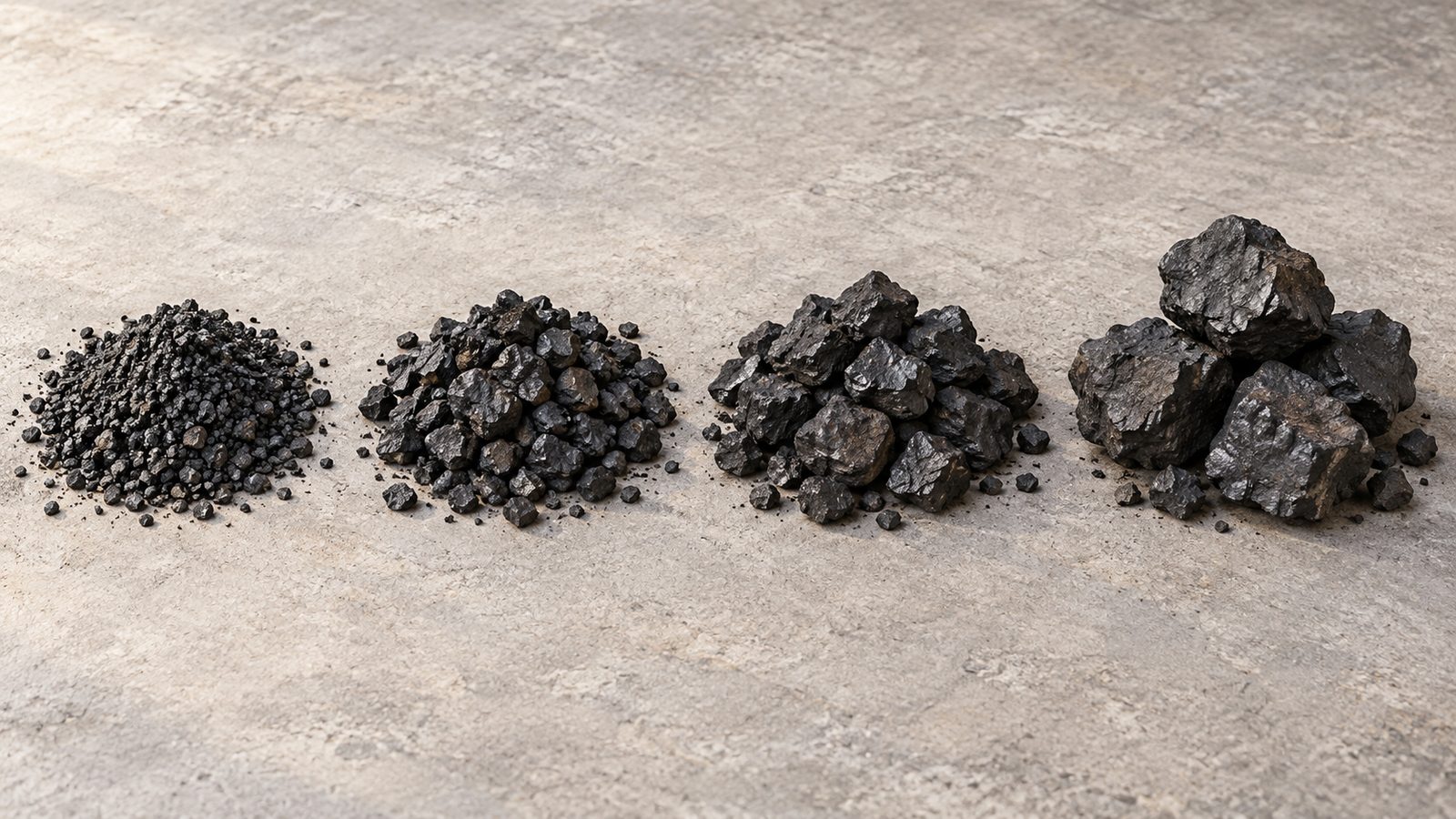
How screened coal is separated into sizes and which system each size is used in.
 Blog
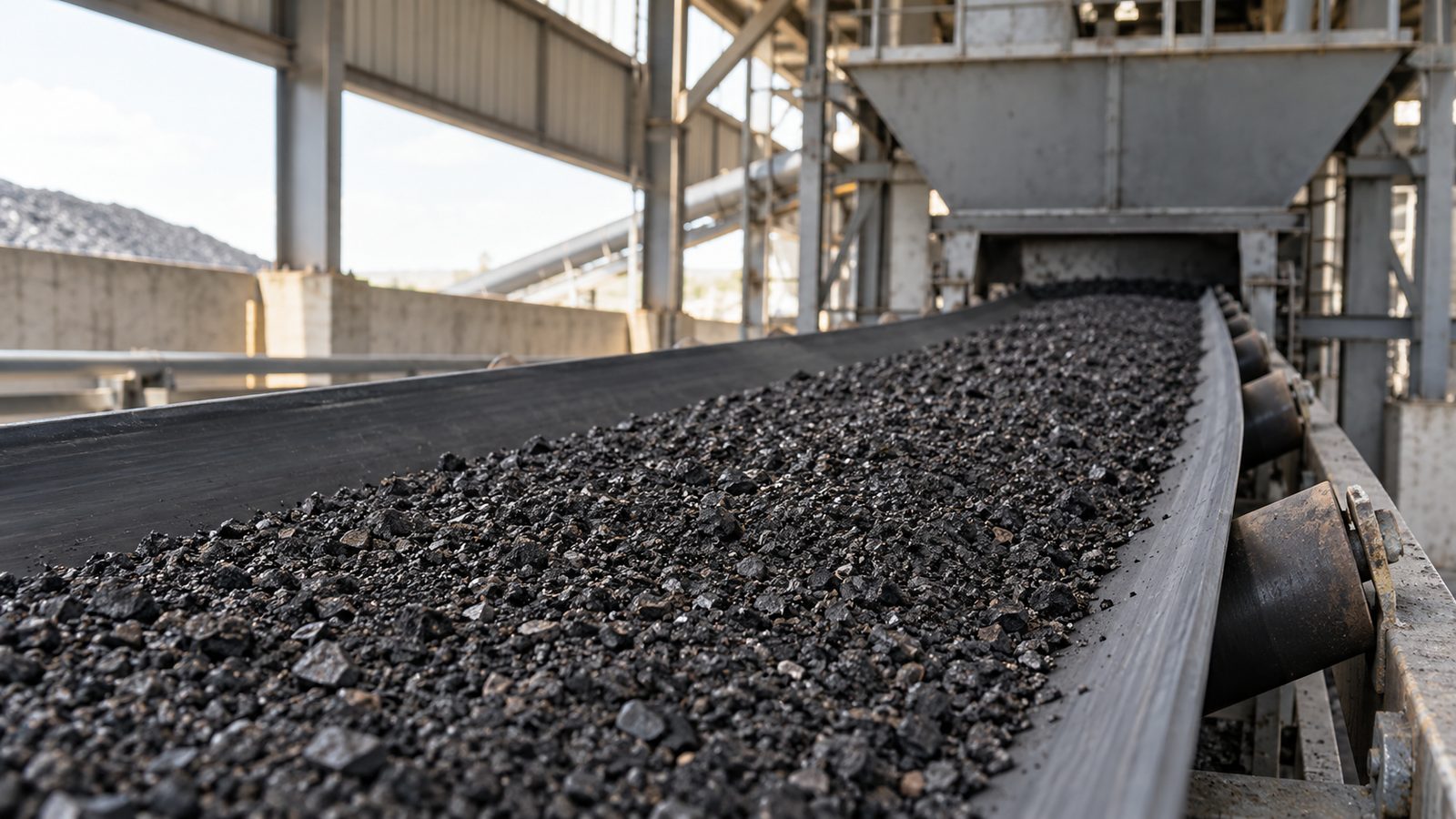
From industrial boilers to briquette production, the places where fine coal is used.