

 TR
 EN
 ZH
 Blog
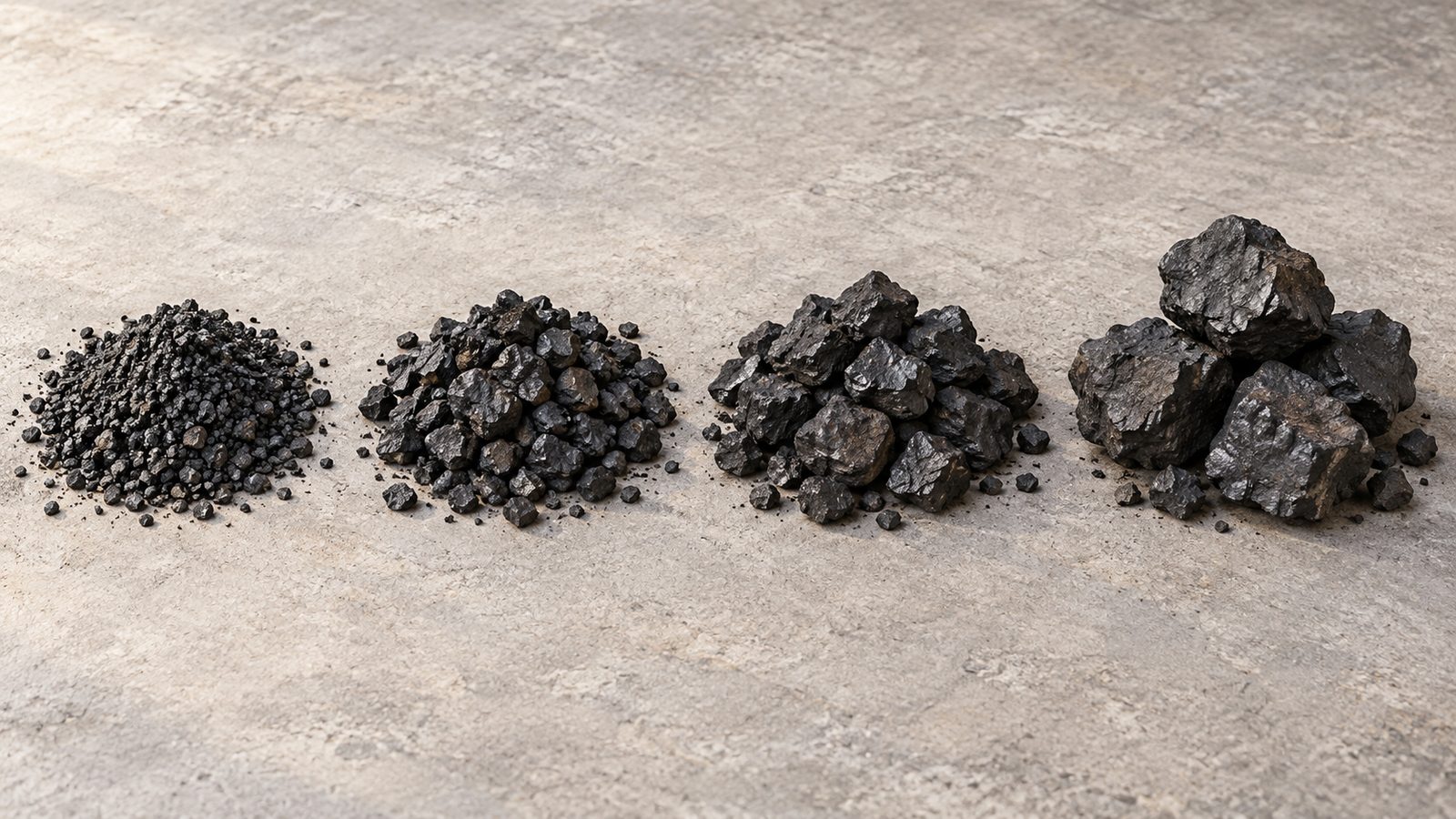
Coal sizes: rice, hazelnut, walnut, orange
How screened coal is separated into sizes and which system each size is used in.
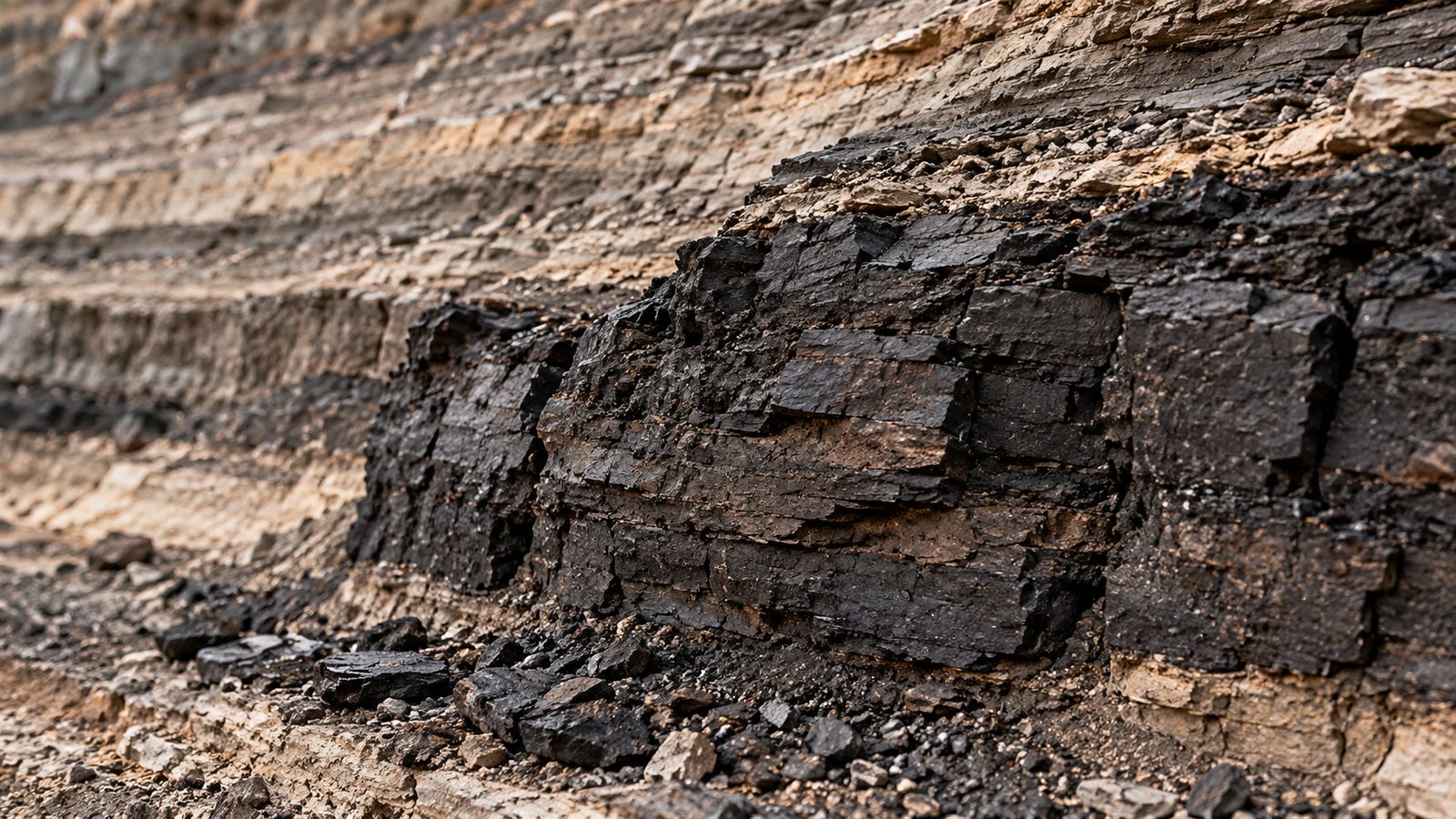
Lignite is one of the youngest types of coal. It is recognised by its colour, ranging from brown to black, its layered structure and its relatively high moisture content. Found in many regions of Türkiye, lignite is used as fuel in a wide range of settings, from home heating to industrial facilities.
The story of lignite begins millions of years ago with plant remains that accumulated in wetlands and swamps. Kept under water and away from air, these remains did not fully decay; over time they turned into a loose, organic layer called peat.
As peat layers were covered by new sediments, pressure and temperature increased. During this process water and gases were slowly driven out and the carbon content rose. Lignite is the first stage of this transformation of peat. When the process continues for much longer, lignite can turn into sub-bituminous coal, bituminous coal and anthracite.
Ermenek, at the foot of the Taurus Mountains, is one of the regions where lignite mining has continued for many years. Drawing on the experience of a family that has been mining since 1964, we extract lignite from our own underground mine in the Pamuklu area of Ermenek.
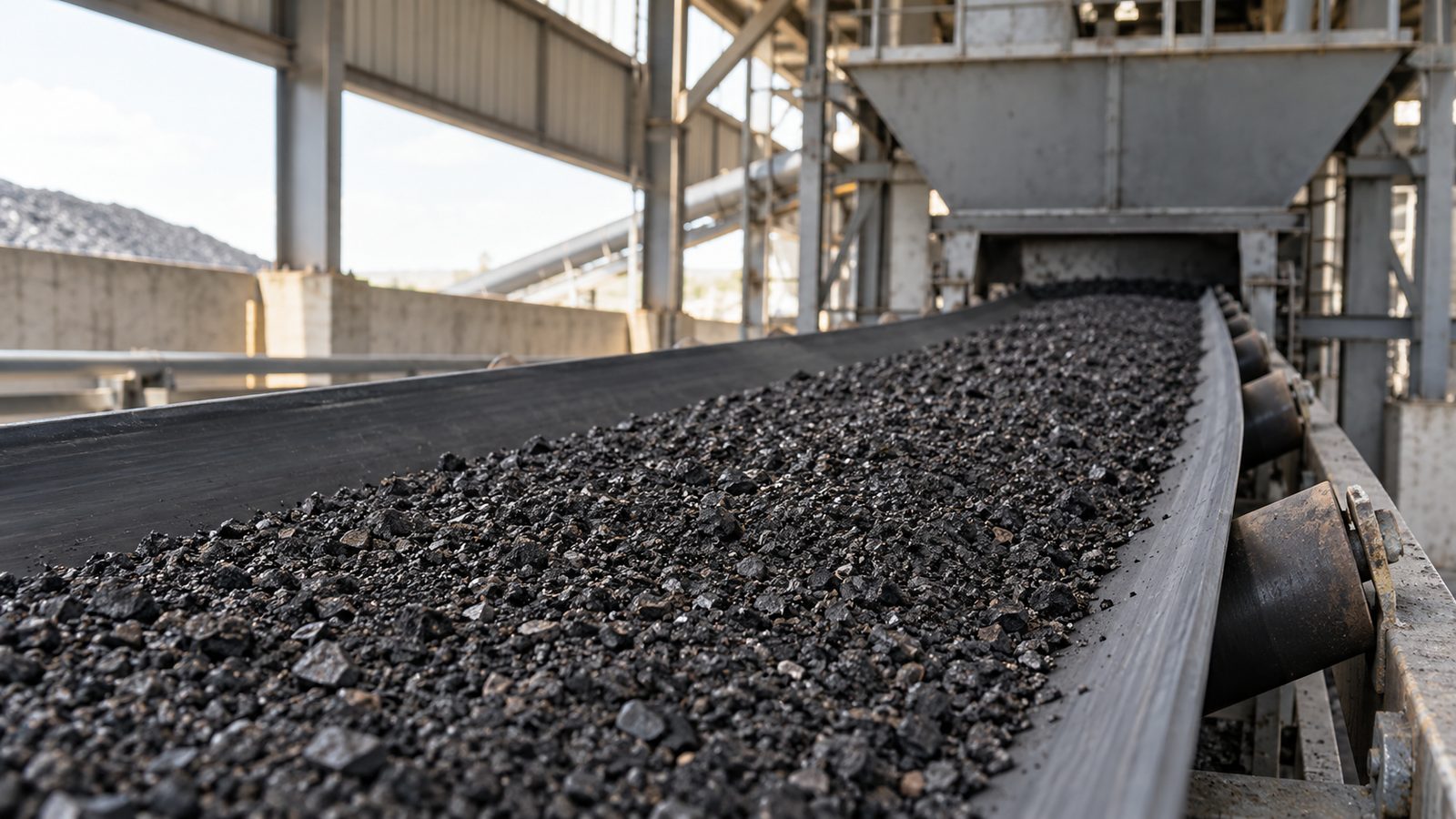
Coal from the mine is screened: the fine part is prepared as fine coal and the larger pieces as lump coal, separated by size. Call us for more information about our products.
Blog
How screened coal is separated into sizes and which system each size is used in.
 Blog
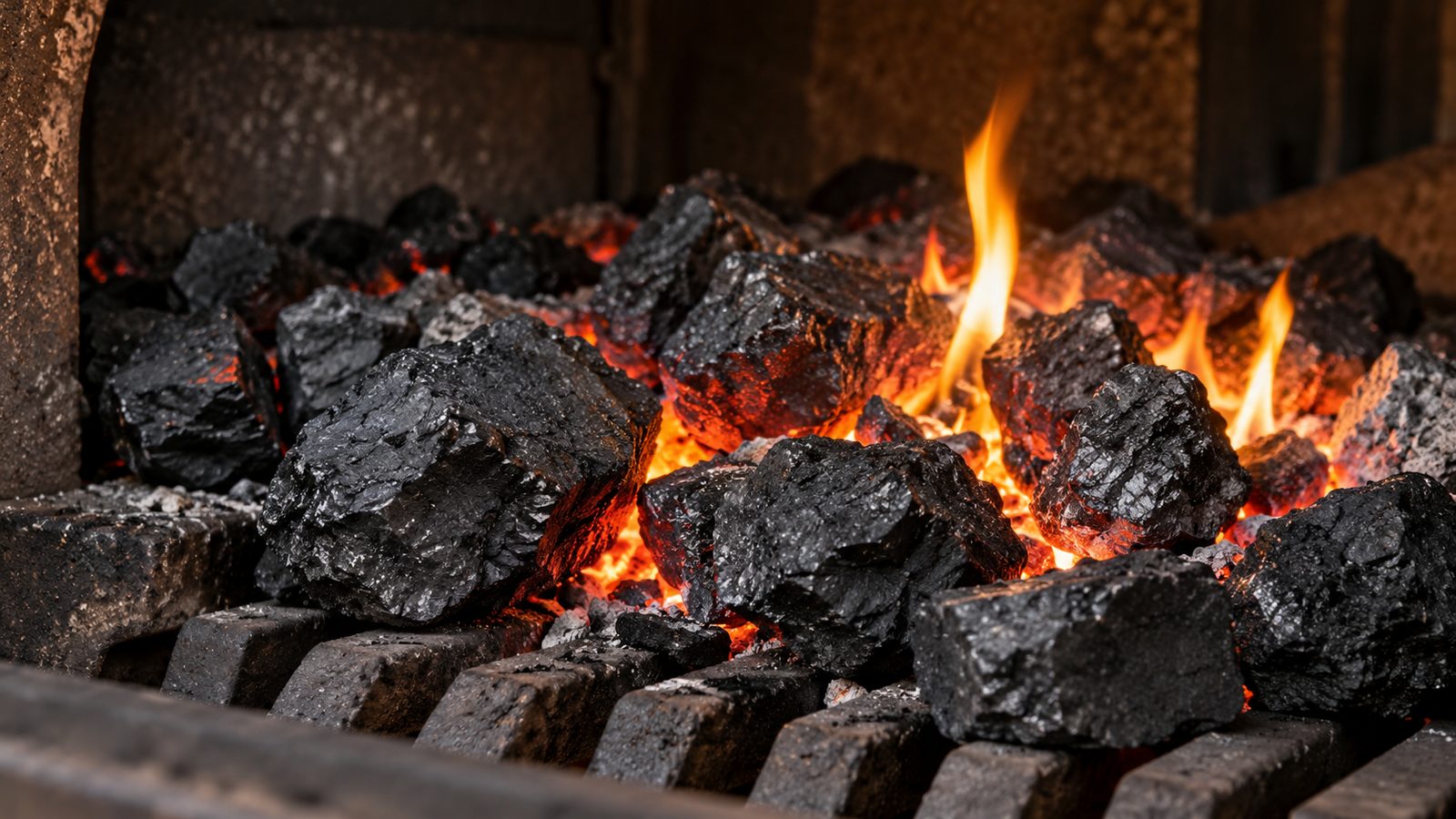
How the heat given off by coal is measured and why calorific value matters when choosing fuel.
 Blog
From industrial boilers to briquette production, the places where fine coal is used.